


A little gunk in the corner of your cat’s eye in the morning? Probably nothing to worry about. One eye swollen shut with thick discharge and your cat squinting like they’re staring into the sun? That’s a different story entirely.
Eye problems in cats can escalate quickly, and unfortunately, cats are very good at hiding discomfort until something is genuinely wrong. Here’s how to tell the difference between a minor eye issue and something that needs urgent attention.
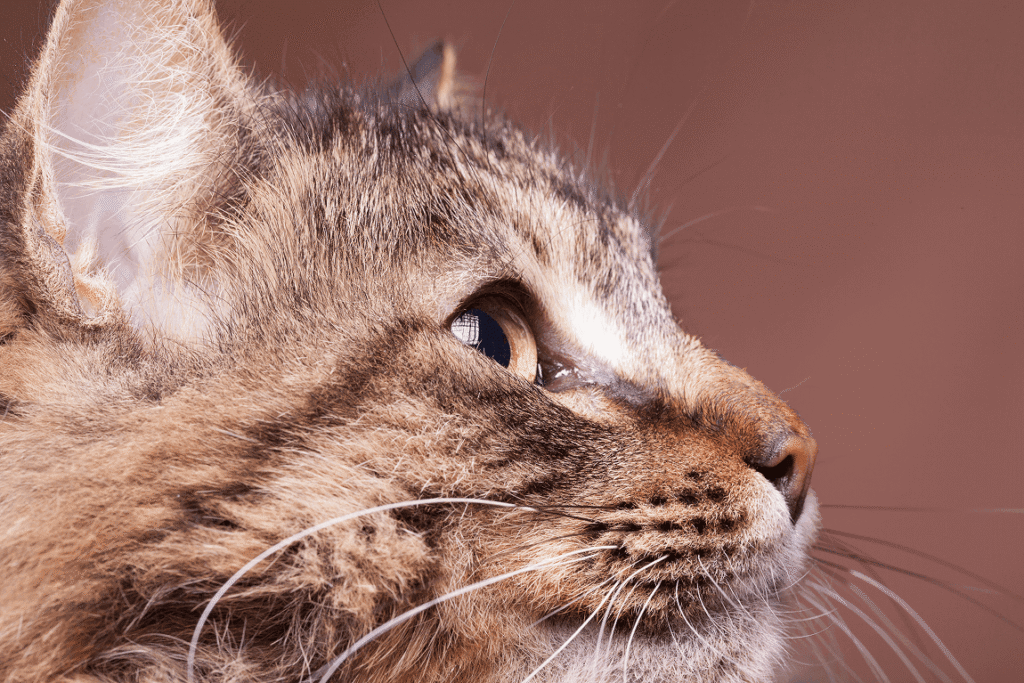
Normal vs. Abnormal Eye Discharge
Usually Normal
- A small amount of clear or slightly brown crust in the inner corner of the eye
- Occasional watering in response to dust, smoke, or wind
- Mild tearing in flat-faced breeds like Persians and Exotic Shorthairs
If the discharge is minimal, your cat is acting normally, and both eyes look symmetrical, you can likely monitor at home.
Signs That Require Urgent Care
Go to urgent care today if you see any of the following:
- An eye that is swollen shut or nearly shut
- Persistent squinting
- Green or yellow pus-like discharge
- The eyeball appears cloudy, hazy, or white
- One eye looks noticeably different than the other. This goes for the color, pupil, and size of the eye
- Any visible injury: a scratch, puncture, or foreign object in the eye
- Your cat is repeatedly pawing at the eye or rubbing it on surfaces
- A red or bloody appearance inside the eye
- Is your cat avoiding light entirely or keeping one or both eyes mostly closed
Eye injuries and infections can progress to permanent vision loss within 24-48 hours in some cases. This isn’t an area where watching and waiting pays off.
Common Causes of Cat Eye Discharge
Feline Herpesvirus (FHV-1)
The most common cause of eye issues in cats is discharge, squinting, and redness. Many cats carry this virus and have flare-ups during times of stress. It’s manageable with treatment, but it won’t reliably resolve on its own.
Corneal Ulcers
A scratch on the surface of the eye from another cat’s claw, debris, or vigorous pawing can become a corneal ulcer very quickly. These are painful and need treatment fast. An untreated ulcer can perforate the eye.
Conjunctivitis
Inflammation of the tissue surrounding the eye can be caused by bacterial or viral infection, allergens, or irritants. Mild cases may respond well to treatment; severe cases need prompt assessment to prevent corneal involvement.
Eye Trauma
If your cat was in a scuffle with another animal, have it evaluated even if the scratch seems minor. Cat claws carry significant bacteria, and the cornea is vulnerable to fast-progressing infection.
What Not to Do
- Don’t put human eye drops in your cat’s eye without vet guidance; many contain ingredients that are harmful to cats
- Don’t try to flush the eye with water
- Don’t wait more than 24 hours if your cat is squinting or the eye is swollen
- Don’t assume it will clear up on its own. Cat eye problems more often get worse, not better
Frequently Asked Questions
Can cats get pink eye from humans?
The most common causes of cat conjunctivitis are species-specific.
My cat has had mild eye discharge for years. Is that normal?
Chronic low-grade discharge is common in some cats, especially flat-faced breeds or those with herpesvirus. But a sudden change in amount, color, or your cat’s behavior around the eye is a reason to come in regardless of history.
My cat is squinting, but the eye looks normal. Is that still urgent?
Squinting alone — even without visible discharge or injury — can indicate pain, a corneal scratch, or early infection. Have it checked within 24 hours.
Can a cat lose an eye from an untreated infection?
Yes. In severe or untreated cases, corneal ulcers or infections can lead to permanent damage, leading to surgical removal of the eye. Early treatment is the best protection against that outcome.
Is your cat’s eye swollen, weeping, or won’t open?
We can help! Open noon to midnight, 7 days a week.