


Houston has a lot of wildlife that most people don’t think twice about… until their dog tries to befriend them. Cane toads (also called bufo toads or giant toads) are one of the most dangerous, and encounters happen regularly in the Houston area, especially during warm, wet months.
This is a true emergency. Here’s everything Houston dog owners need to know.
What Are Cane Toads?
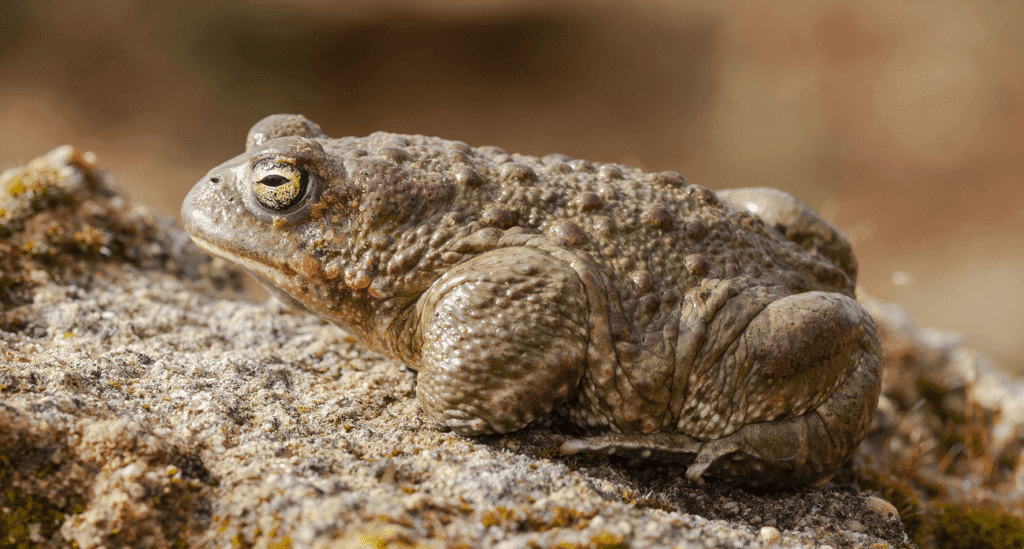
Cane toads are large, stocky, warty toads. They are brownish in color, typically 4-6 inches long, with a flat head and distinctive large bulging glands just behind the eyes. They’re an invasive species originally from South America, now well-established in Southeast Texas, particularly near water sources.
They’re most active at dawn, dusk, and through the night, exactly when many Houston dogs are outside for their evening walk or roaming the backyard.
Why Are Cane Toads Dangerous?
Cane toads secrete a potent toxin called bufadienolide from the large parotoid glands behind their eyes. This toxin is rapidly absorbed through the mucous membranes in a dog’s mouth when they lick, mouth, or bite the toad.
Critically, the dog doesn’t have to swallow the toad to be affected. Simply mouthing or licking it is enough to cause serious toxicity.
Symptoms of Cane Toad Toxicity
Signs of cane toad toxicity typically begin within minutes of exposure:
- Sudden, excessive drooling
- Pawing at the mouth
- Bright red or inflamed gums
- Head shaking
- Disorientation or staggering
- Vomiting
- Rapid or irregular heartbeat
- Seizures
- Collapse
This can progress from the first symptoms to seizure in under 15 minutes in severe cases. Do not take a wait-and-see approach.
What to Do Immediately
If you believe your dog encountered a cane toad, act right now:
- Wipe out the inside of your dog’s mouth with a damp cloth. Wipe from the back of the mouth toward the front, don’t let them swallow the toxin-laden saliva
- Rinse the mouth gently with a trickle of water from a garden hose or cup. Do not submerge their head
- Do NOT induce vomiting
- Keep your dog as calm as possible; excitement speeds toxin absorption
- Head to urgent care immediately
Every minute matters here. The sooner your dog gets treatment, the better the outcome.
What Treatment Looks Like
At Houston Veterinary Walk-In & Urgent Care, we can provide IV fluids, seizure control medications, heart rhythm monitoring, and supportive care. There is no specific antidote for cane toad toxin — treatment focuses on supporting the body while the toxin clears and managing symptoms as they arise.
Dogs who receive prompt treatment do significantly better than those who wait.
Reducing the Risk in Your Yard
- Walk your dog on a leash at night, toads are most active after dark
- Inspect your yard at dusk before letting dogs out to roam
- Remove standing water from your yard: birdbaths, shallow pools, and puddles attract toads
- Keep a light on near doors; toads prefer darker areas
- Learn what cane toads look like so you can recognize them before your dog does
Frequently Asked Questions
Are cane toads active year-round in Houston?
They’re most active during warm, humid months. In Houston, that’s roughly March through November. Activity spikes after rain, which is when encounters most often happen.
What’s the difference between a cane toad and a regular Texas toad?
Cane toads are significantly larger than native Texas toads. Typically 4-6 inches long and noticeably stocky. The large, ridged parotoid glands behind their eyes are the most identifying feature. When in doubt, keep your dog away from any toad.
My dog mouthed a toad and is just a little drooly. Should I still come in?
Yes. Excessive drooling immediately after sniffing or mouthing a toad is a classic early sign of toxicity. Symptoms can progress rapidly from there. Come in and let us assess.
Can cats be affected by cane toads too?
Yes, though cats are less likely to engage with toads than dogs. If your cat licks or bites a cane toad, treat it with the same urgency as you would for a dog.
Think your dog licked a cane toad?
Wipe out their mouth on the way and drive straight to Houston Veterinary Walk-In & Urgent Care. Open noon to midnight.