


Houston summers are no joke. Temperatures regularly push into the triple digits, the humidity is relentless, and the pavement can get hot enough to blister skin in seconds. For pets, that combination creates real, serious risks.
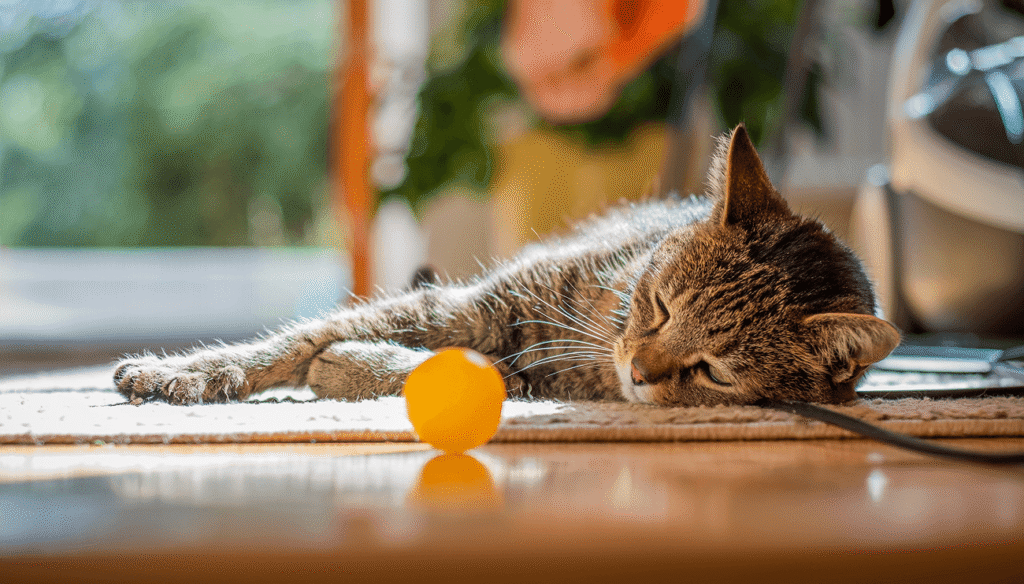
Here are the emergencies we encounter most often:
1. Heatstroke
Dogs and cats can’t sweat. They cool themselves primarily through panting, which becomes rapidly ineffective in extreme heat and humidity. Heatstroke can set in within minutes.
Veterinary guidelines note that dogs can develop heatstroke when body temperature exceeds 104°F, with brain damage possible above 106°F. Houston’s combination of heat and humidity makes this a genuine risk even for healthy dogs doing mild activity.
Warning signs to watch for:
- Excessive, labored panting that doesn’t let up
- Heavy drooling
- Bright red gums
- Vomiting or diarrhea
- Staggering or sudden collapse
If you suspect heatstroke: move your pet to shade or air conditioning, apply cool (not ice-cold) water to their body, and get to us immediately. Don’t try to manage this at home.
2. Hot Pavement Burns
When the air temperature reaches 95°F, asphalt can reach 150°F. Paw pads can blister in under a minute on that surface. A simple test: if you can’t hold your own bare hand on the pavement comfortably, it’s too hot for your dog’s paws.
Signs of paw pad burns: limping, excessive licking of paws, pads appearing red or blistered, or refusing to walk. Stick to early morning or post-sunset walks during Houston summers.
3. Dehydration
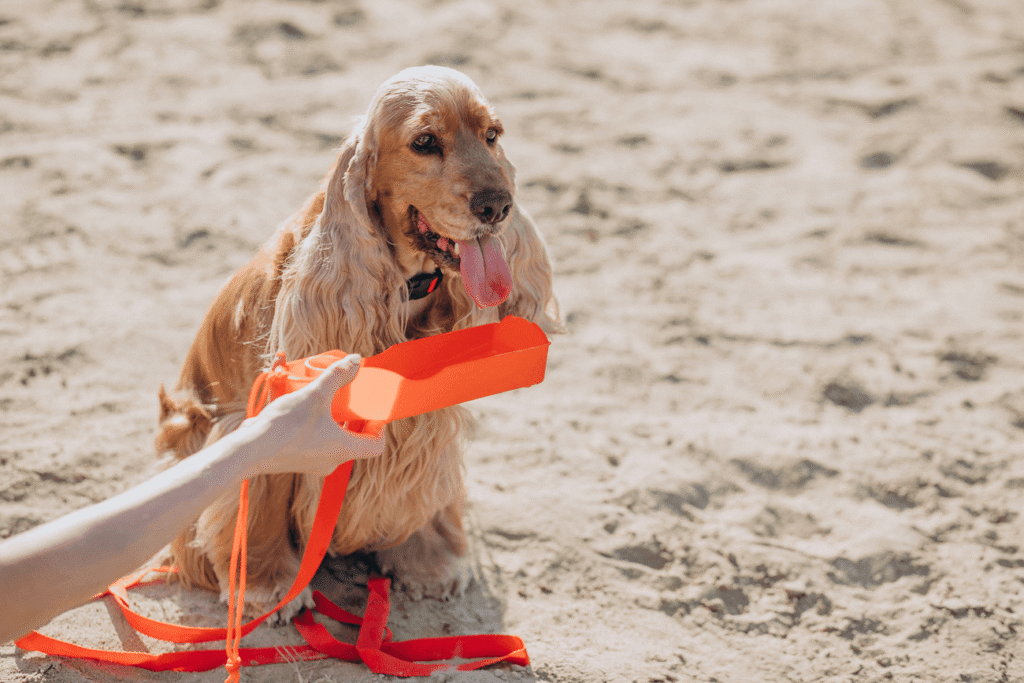
Dogs and cats can dehydrate quickly in extreme heat, especially if they’re active outdoors. Signs include sunken eyes, dry or sticky gums, lethargy, and decreased skin elasticity. Mild dehydration can be addressed with water and rest. Severe dehydration needs IV fluids with a veterinarian.
4. Toxin Ingestion
More time outdoors means more exposure to things your pet shouldn’t encounter. In the Houston area specifically, we see:
- Cane toad encounters, especially after rain
- Fire ant reactions are common and sometimes severe
- Fertilizer, mulch, and pesticide ingestion from treated yards
- Sago palm, oleander, and lantana are all common in Houston landscaping, and all are toxic
With toxin ingestion, come in before symptoms develop. Early treatment dramatically expands what we can do.
5. Severe Allergic Reactions
Insect stings, grass pollen, and contact with plants can all trigger sudden allergic reactions. Mild reactions like itching and localized hives can often be managed. Severe reactions involving facial swelling, difficulty breathing, or sudden weakness can be anaphylaxis, which is a life-threatening emergency. If your dog’s face is swelling rapidly after being outside, don’t wait.
6. Snake Bites
Texas is home to cottonmouths, copperheads, and rattlesnakes. Dogs are most often bitten on the face or legs. A snakebite is always an emergency. Don’t attempt to suck out venom or apply a tourniquet, and get your pet to us immediately.
Symptoms include rapid swelling at the bite site, drooling, vomiting, and, in severe cases, collapse or abnormal bleeding.
Frequently Asked Questions
How hot is too hot to walk my dog in Houston?
If the air temperature is above 90°F, walk early in the morning (before 9 am) or when the sun starts to go down (after 7 pm). When in doubt, do the pavement hand test.
How can I tell if my dog has heatstroke versus just being hot?
A hot dog will pant and want water. And recover with shade and hydration. A dog with heatstroke won’t recover on their own. They continue to deteriorate: gums turn bright red, vomiting starts, and they may stagger or lose consciousness. That’s the line. When in doubt, take their rectal temperature; a normal temperature is 100-102°F. If it’s above that, head to the vet
What Houston-area plants are toxic to pets?
Sago palm is the most dangerous. All parts are toxic, and they cause liver failure. Oleander, lantana, azalea, and crape myrtle are also common in Houston yards and toxic to varying degrees. Worth checking what’s growing near your fence line.
Can cats get heatstroke too?
Yes. Cats are better at seeking shade and avoiding overexertion, but they’re still vulnerable, especially in enclosed spaces like garages, sunrooms, or parked cars. Signs are similar to dogs.
Houston summer got your pet in trouble?
Walk in to Houston Veterinary Walk-In & Urgent Care. Open noon to midnight, 7 days a week.